




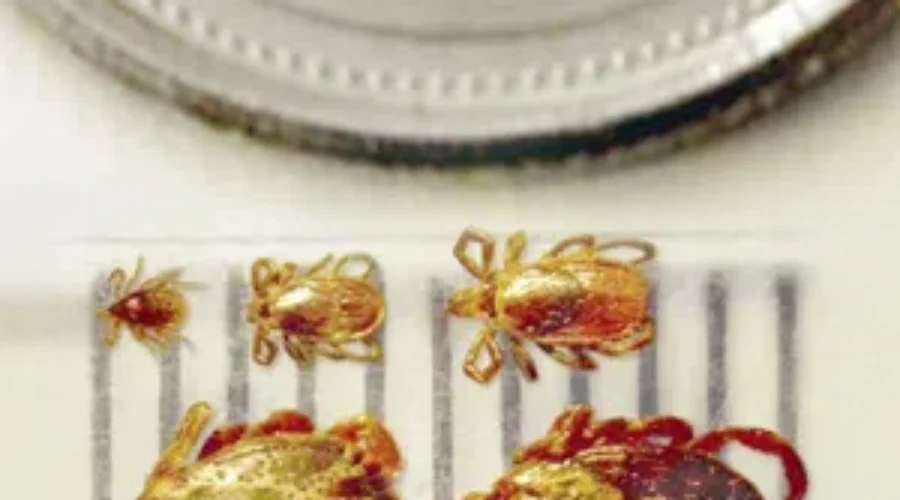
The medical officer of health for the Western Zone says cases of Lyme Disease have been increasing.
While this year’s numbers aren’t available yet, Dr. Jennifer Cram says the trend over the last several years is that Lyme Disease is on the rise.
“There has been modelling done which suggests that the spread of the black legged tick is related to climate change.”
She says it’s important to check for ticks.
It would have to be attached for 24 to 36 hours in order to pass on the bacteria then early symptoms are presented as a rash.
“It sometimes looks like a bulls-eye but can also be generally a red rash. The distinguishing feature with that rash is that it starts usually 3 to 10 days after that bite but then it expands.”
She says symptoms of Lyme Disease include flu-like symptoms like fever, fatigue and body or joint aches.
“If untreated you could go on to get later stages of Lyme Disease which can cause neurological problems, heart problems or chronic arthritis.”
Dr. Cram says the standard treatment is antibiotics with 95 per cent of patients responding positively.
She says as soon as you see a rash go see your health care provider.
Reduce your risk
Wear long pants and long sleeves in areas likely to have ticks
Wear light coloured clothing – its easier to see ticks
Wear enclosed shoes and tuck your pants into your socks
Walk on well-travelled paths, avoiding long grass and vegetation
Apply insect repellents containing DEET or Icaridin to exposed skin and clothes. Follow directions on the package carefully.
Check for ticks
Check yourself and your family for ticks after being outside
Having a bath or shower within two hours of coming inside makes it easier to spot ticks and wash off unattached ticks
Ticks like warm places on the body.
Remember to check:
around ears
behind knees
in the hair
between the legs/groin area
around the waist

