



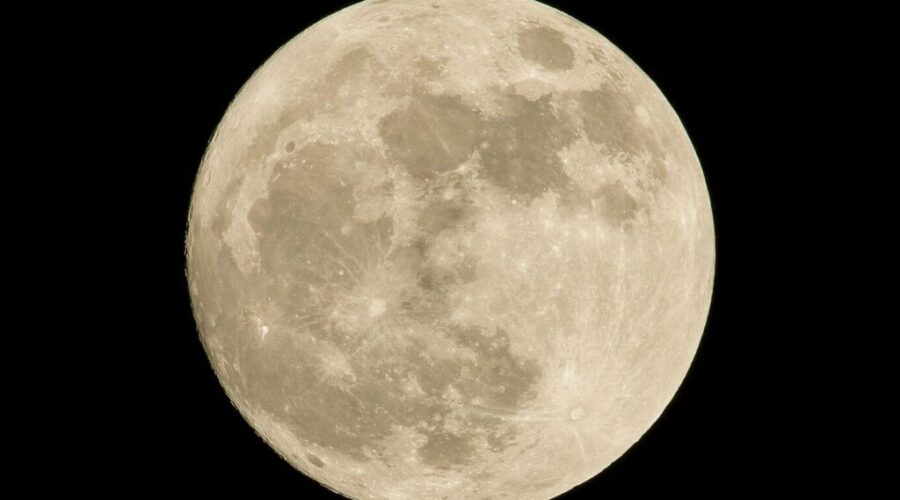
We recently got the chance to observe a blood moon but the thing is that the full moon in March is traditionally known as the Worm Moon, a name that goes back centuries.
The term is widely credited to early Indigenous groups in North America and was later recorded in publications like The Old Farmer’s Almanac. It reflects this time of year when the ground begins to thaw and earthworms reappear, signaling the return of robins and other birds, one of the first real signs that winter is loosening its grip.
Interestingly, some Indigenous communities had slightly different names for the March full moon depending on the region. In some areas it was known as the “Crow Moon,” marking the cawing of crows as seasons changed, or the “Sap Moon,” tied to the start of maple sugaring season. Other names referenced crusted snow that forms from daytime thawing and nighttime freezing.
Astronomically, the full moon simply occurs when the Earth sits directly between the Sun and the Moon, allowing the Moon’s surface to be fully illuminated from our perspective. But culturally, each month’s full moon name gives a snapshot of what was happening seasonally at that time of year.
So while “Worm Moon” might sound unusual at first, it’s really just another sign that spring is right around the corner.
Below is a video from 2019 from Global News talking a bit more about what a Worm Moon really is. Check it out!