



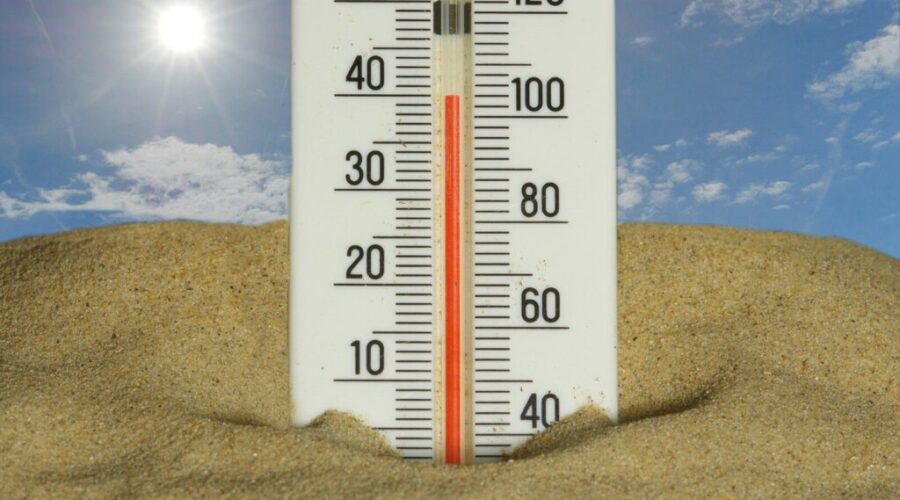
That is a question you might want to not use as we are hitting a humidex of 36, in MAY!
Temperatures like this can cause health issues and I feel this early in the year we are not conditioned for the heat like we are in August and that makes it seem even worse.
I have always said I will take cold over extreme heat since you can put more clothes on, but only so much clothing can be removed before you get charged.
Heat sickness is no laughing matter and with another heat warning in effect, I thought we should explore some tips to keep you safe on this hot day.
The two things you need to watch for are heat exhaustion and to ensure it does not progress to heat stroke.
Heat stroke vs heat exhaustion
- Heat exhaustion is an early warning sign. The body is struggling to cool itself but is still mostly functioning.
- Heat stroke is a life-threatening emergency where the body’s cooling system fails completely.
Key differences:
- Heat exhaustion symptoms: sweating, weakness, dizziness
- Heat stroke symptoms: hot, dry skin, confusion, possible loss of responsiveness.
Without treatment, heat exhaustion can quickly progress to heat stroke.
Signs and symptoms of heat exhaustion
Based on the Canadian Red Cross First Aid Standards, the heat exhaustion symptoms are:
- Moist, warm skin
- Headache
- Weakness or exhaustion
- Nausea or vomiting
- Dizziness or fainting
- Anxiety
Signs and symptoms of heat stroke
Some of the signs of heat stroke are:
- Hot, dry skin
- Severe headache
- Unresponsive
- Seizures
- Altered behaviour (bizarre, irritable, aggressive)
- Rapid, shallow breathing
- Rapid, irregular, weak pulse
Get all the details you need to know here:
Heat Stroke & Heat Exhaustion: Signs, Symptoms and First Aid
There were some tips offered up to help prevent heat illness for those of us that still need to work on a hot day.
5 heat stress prevention tips at work
- Wear breathable clothing. Cotton or other loose, woven fabrics help wick moisture and allow evaporation to cool the body.
- Provide hydration stations. Small amounts of cool (not cold) liquids help prevent dehydration and maintain the body’s ability to sweat.
- Train your team to recognize symptoms. Supervisors and coworkers can often spot signs of heat stress before the affected person does.
- Promote a healthy lifestyle. Physically fit workers are better able to regulate body temperature and handle exertion.
- Review risk factors regularly. Age, medications, and health conditions can all increase vulnerability to heat stress.