



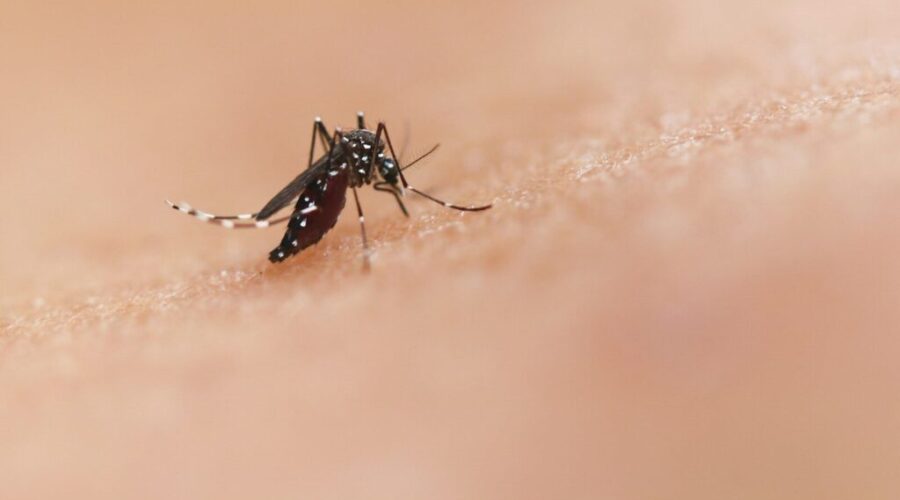
When people think about dangerous animals, they usually picture sharks, bears, lions, or maybe snakes.
But the deadliest animal on Earth is something most of us swat away without a second thought.
The mosquito.
According to health experts, mosquitoes are responsible for roughly 800,000 deaths worldwide every year because they spread diseases such as malaria, dengue fever, yellow fever, Zika virus, and West Nile virus.
That makes them far more dangerous than any large predator.
The surprising part is that only a small number of mosquito species are actually responsible for most of those illnesses. Scientists estimate there are about 3,500 mosquito species on Earth, but only around five per cent of them account for the vast majority of disease transmission.
Now researchers around the world are looking for new ways to fight back.
At the University of Manitoba, scientists are experimenting with what could be one of the most unusual mosquito-control strategies ever developed. Instead of spraying pesticides, researchers are feeding mosquitoes specialized RNA-based treatments designed to either sterilize male mosquitoes or prevent female mosquitoes from reaching adulthood.
The goal is simple: reduce mosquito populations without harming other insects or ecosystems.
Elsewhere, the ideas sound almost like science fiction.
A company in China has developed a laser-powered mosquito defence system that uses sensors to detect insects in flight and can reportedly eliminate up to 30 mosquitoes per second. Think of it as a tiny air-defence system designed specifically for backyard pests.
Meanwhile, major research organizations and foundations are investing billions of dollars into genetic technologies that could one day prevent mosquitoes from carrying diseases altogether.
The urgency is growing because climate change is allowing some mosquito species to expand into regions where they weren’t previously found.
One example is the Asian tiger mosquito, a species capable of carrying several serious diseases. It has already been detected in parts of southern Ontario.
For Canadians, the immediate threat remains relatively low. West Nile virus is currently the most common mosquito-borne illness found in the country, and most of the more serious tropical diseases are still associated with international travel.
But scientists say that could change over time as temperatures warm and mosquito habitats expand.
What’s fascinating is that humanity’s battle against mosquitoes is increasingly becoming a battle of technology, genetics, and innovation.
For generations, the solution was bug spray, screens, and avoiding standing water.
Today, researchers are discussing gene editing, sterile insect programs, citizen science projects, and even laser systems.
All because of an insect that weighs less than a paperclip but has had a bigger impact on human history than almost any other animal on Earth.
The next time a mosquito buzzes past your ear on a summer evening, it’s worth remembering: annoying as they are, they’re also one of the most studied and most feared creatures on the planet.