




Ignorance is, unfortunately, alive and well on the South Shore.
Petitions suggesting the name change of streets in both Lunenburg and Bridgewater garnered a number of hateful, ignorant and racist responses from community members online recently, leaving many wondering if change is possible in Southern Nova Scotia.
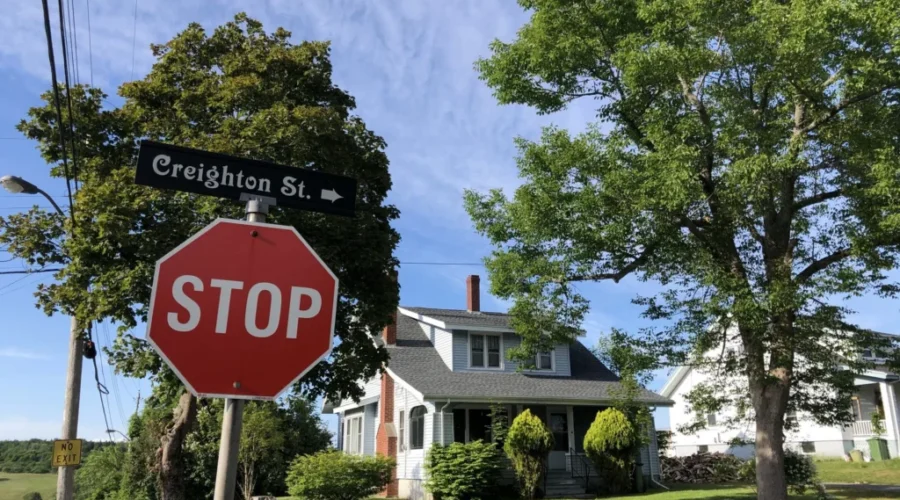
The first petition recommended renaming Cornwallis and Creighton Streets in Lunenburg to something more reflective of black and indigenous communities, as well as installing interpretive information panels around the community.
However, while the petition did create a few genuine discussions on the topic, many were quick to fire back at the suggestion with knee-jerk reactions, as some called it ‘an attempt to erase history’ and ‘a waste of time’ among other things.
“If you want to change the name of streets for indigenous people and blacks, go to Shelburne or Yarmouth, the first blacks were down there,” one comment read.
“Give it a rest, there have been many apologies, reconciliation and payments made. When is enough enough?” read another.
A few were quick to dismiss the idea of changing the street signs as idiotic, and others demanded the petition be taken down.
Many comments have since been removed due to their racial, hateful or ignorant content, but some still remain.
However, a similar petition is gaining some traction in Bridgewater.
In this petition, it suggests Cornwallis Street, which connects King Street to Alexandra Avenue and other neighborhoods, be renamed to honour the Mi’kmaq community.
It has since gained the attention of town council, and Bridgewater mayor David Mitchell said the town is open to the idea.
“There are absolutely street names in, I would say, most communities across Canada that the name really brings up some terrible history,” he said.
“I think we do need to recognize that for some people, these names are hurtful.”
The suggestion of changing the street name was brought to council during a discussion session last week.
Council will discuss the matter further at tonight’s council meeting, where they will move to send it off to the Heritage Advisory Committee, as well as to Bridgewater’s new Anti-racism Committee.
Mitchell said they will also get some input from indigenous communities on the decision.
But, as with the first petition, not everyone was keen on the idea, and the petition faced backlash and hate-filled comments online as well.
The push back towards ideas like this from smaller communities can manifest itself through violent and hateful reaction, said Dr. Timothy Bryan, Assistant Professor of Sociology at Dalhousie, but often is fueled by the fear of losing their culture or identity.
“In smaller communities, time kind of moves differently,” he said.
“The families quite often stay the same, the geography is the same, the stores are the same. There is a different pace of life that for some residents preserves a kind of culture. Residents can look back and say ‘Oh, it’s just like when my parents grew up, or when their parents grew up,’ and that is a sense of pride for some small communities.”
He said those communities can face a sense of threat when presented with the pace of change in the world and how that change may impact their community.
Bryan said pushing change and accepting how some things may be hurtful to others is important, but it doesn’t come without challenges, especially in small communities.
“I think it starts with a willingness on the part of the people who are the most invested in the way things have been to accept and be open to a new version of the community,” he said.
“Education is a part of change, but at the end of the day, people need to be willing to have those discussions or accept that education.”
Follow Cody McEachern on Twitter at @CodyInHiFi.


