

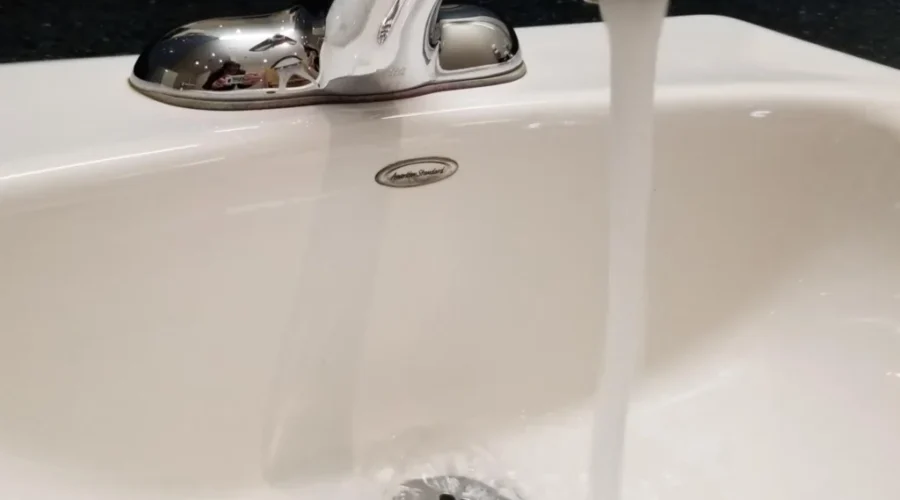
A number of South Shore schools were found to have elevated levels of lead in their water.
The Department of Education and Early Childhood Development released the results of their provincial public school water testing yesterday, which outlined the lead and copper concentration levels found in each school’s water at various taps.
As reported by the Halifax Examiner, around 84 per cent of all public Nova Scotia schools have higher lead concentration in their water than the national maximum allowance of five parts per billion, or 0.005mg/l.
Lead can be especially damaging for children – Health Canada notes lead in drinking water can have “adverse neurodevelopmental and behavioural effects in children” and even lower their IQ.
In the South Shore, 23 of the 24 schools tested came back with elevated levels above the maximum, with the highest results coming from taps in both Bridgewater Junior High School and Petite Riviere Elementary School.
A tap in each school produced 1.4mg/L – 280 times the maximum allowed set by Health Canada. However, neither tap was used for drinking water.
Chester District Elementary School follows with the second highest lead production at 0.97 mg/L, followed in third by North Queens Community School.
In the results for copper testing, the highest testing tap was from a sink in Room 146 at Chester District Elementary School, which tested with 11mg/L – Health Canada’s maximum allowance of copper in drinking water is 2mg/L.
It also returned with 0.091 mg/L of lead.
Short term exposure to high amounts of copper can cause gastrointestinal issues, and increased exposure can damage one’s liver and kidneys.
Bridgewater Elementary School follows with the second highest testing school for copper, followed by North Queens Community School.
Not all taps tested, however, are used for drinking water, as some are strictly for washing hands, equipment, dishes and even filling cleaning equipment.
The province began testing water in schools last year after a joint investigation by Concordia and Kings Universities and multiple local media outlets found most public schools in the province had never tested their water for lead.
At the same time, the province began supplying schools with bottled water to drink.
On the provincial results page, a “Next Steps” section notes COVID-19 restrictions has blocked access to shared fountains, and students and staff continue to be supplied with bottled water.
The province recommends replacing some taps at tested schools while limiting use and access to others that don’t meat Health Canada Guidelines. A number of taps may be shut off all together.
A full copy of the results separated for each Regional Centre for Education can be found here.
Follow Cody McEachern on Twitter at @CodyInHiFi for more.
Editor’s note – An earlier version incorrectly identified schools associated with the highest and lowest results. This was due to a calculation error while analyzing the results. The data remains correct, but the proper school names and locations have been added.