



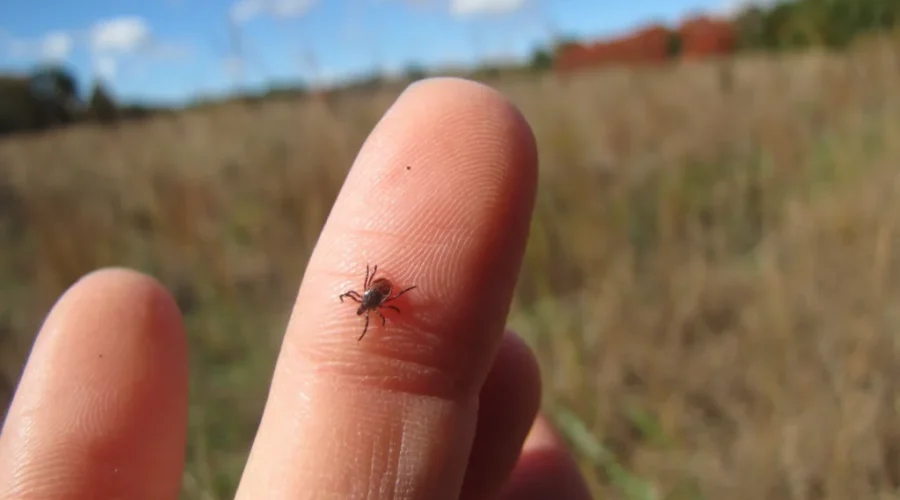
As temperatures rise, health officials warn that so does the risk of encountering ticks in Nova Scotia.
Several species — including blacklegged ticks, also known as deer ticks, which can spread diseases such as Lyme disease, anaplasmosis, babesiosis, and Powassan virus — are becoming active again across the province.
Ticks are commonly found in tall grass, shrubs, gardens, and wooded areas, and often attach themselves to warm areas of the body.
Health officials say the risk can be reduced by wearing light-coloured clothing with long sleeves and pants, enclosed toe shoes with tall socks, avoiding dense vegetation and staying on well-travelled trails, and using insect repellents approved by Health Canada.
After spending time outside, it’s important to check around ears, behind knees, in hair, and around the groin and waste area where ticks can hide.
They also note that pets can bring ticks indoors, making regular checks important.
Local pharmacists can assess tick bites and determine if a preventative antibiotic is needed. Anyone with questions or concerns about tick safety or tick-borne illness can call 811 or visit the Nova Scotia Health Tick Service.