


Nova Scotia wildfire officials say any benefits from the province’s wet winter have now faded, as the province moves into a drier and more dangerous stretch of spring fire season.
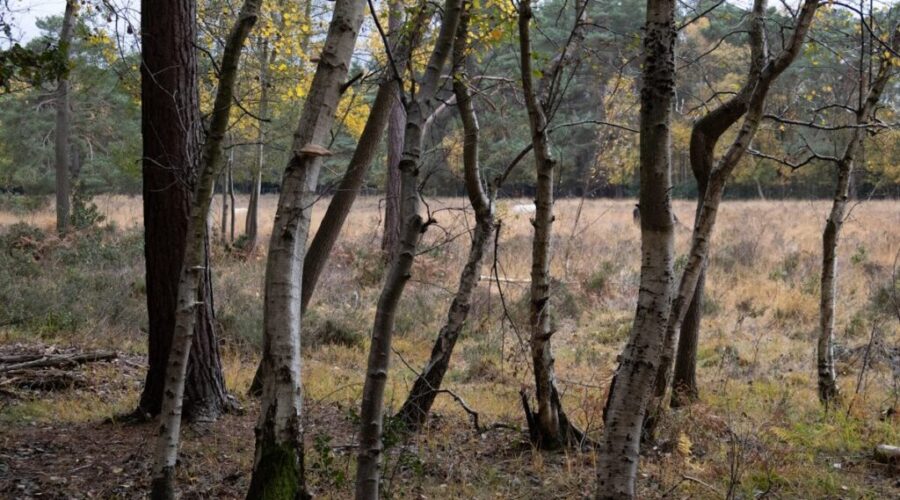
Jim Rudderham, the province’s director of Fleet and Wildfire Management, says dry surface fuels such as grass, leaves and brush are now easy to ignite, especially with little rain in the near-term forecast.
“Things I would characterize — the fine fuels from the winter are all dry right now and pretty easy to burn,” Rudderham said.
He says people doing outdoor work or recreational activities that could create a spark may be surprised by how quickly a fire can start and spread this time of year.
Winter moisture no longer helping
Rudderham says snow and precipitation from the winter are no longer reducing wildfire risk.
“All the snow and the moisture we had over the winter… that’s all gone,” he said. “We’re into the spring dry zone.”
That means current wildfire conditions are now being driven more by daily weather patterns, including sunshine, wind and whether meaningful rainfall arrives.
Spring dip still ahead
Officials say Nova Scotia is also approaching a period known as the “spring dip,” when trees begin drawing moisture from the ground to support new growth.
That can leave forests and surrounding ground conditions even drier, while softwood trees can also become more vulnerable to burning.
“We still have a good few weeks of the spring dip time when things can be actually quite dry,” Rudderham said.
He says the timing and severity of that period can vary depending on rainfall and temperatures, but it is a normal seasonal stage across the province.
The province reminds people that burn restrictions are updated daily during wildfire season and should be checked before any open burning.
Even on days when burning is allowed, Rudderham says people must stay with their fire until it is completely extinguished.
Officials are also discouraging unnecessary grass burning and asking people to be cautious with ATVs, machinery or any activity that could accidentally start a fire.