


A long-discussed plan to build North America’s first coastal refuge for captive whales in Nova Scotia has taken a symbolic step forward, but the project continues to spark mixed reactions in the community.
The Whale Sanctuary Project, a U.S.-based non-profit, recently held a groundbreaking ceremony near the small Eastern Shore community of Wine Harbour, marking what organizers call a major milestone after years of regulatory reviews and planning.
A New Vision for Captive Whales
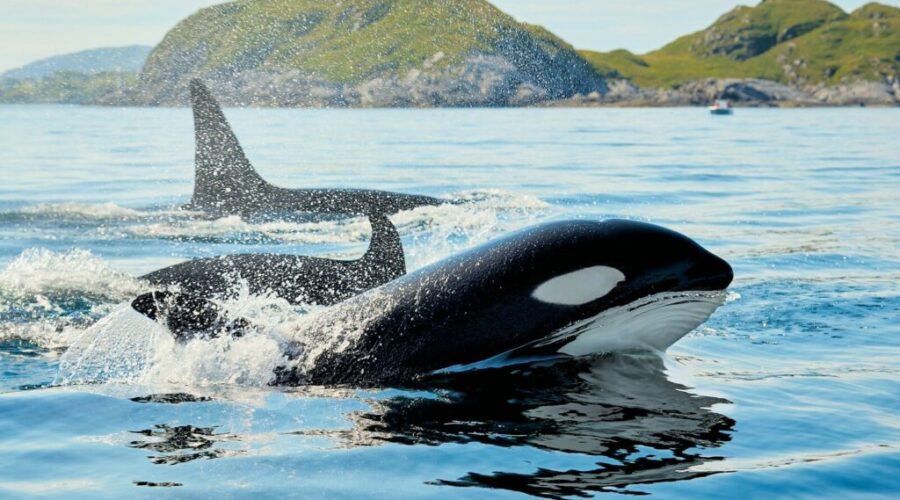
The proposed sanctuary would create a 40 hectare floating enclosure in coastal waters, designed to provide a more natural environment for whales currently living in captivity. The facility could eventually house up to 10 orcas or belugas, offering an alternative to traditional marine parks and entertainment facilities.
Supporters of the project say it reflects changing global attitudes toward animal welfare. As public sentiment shifts away from keeping whales in confined spaces for entertainment, initiatives like this one aim to give those animals a more humane and enriched environment.
“This project has always been about creating a new future for whales who can no longer remain in the entertainment industry,” said Charles Vinick, the organization’s CEO.
Progress With Some Delays
While the groundbreaking represents progress, there are still hurdles to overcome.
Although Nova Scotia’s provincial government approved a 20 year Crown lease for the project in late 2025, the lease has not yet been finalized. According to organizers, the terms are largely agreed upon, but paperwork is still being completed.
There have also been some timeline shifts. Initial plans aimed to install net enclosures this summer, but that phase is now expected to begin next spring.
Additional steps remain as well, including securing federal permits and raising funds. The project is expected to cost about $15 million to build, with annual operating costs around $1.5 million, all of which the organization plans to fund privately.
Community Concerns and Local Opposition
Despite the project’s ambitions, not everyone in Wine Harbour is convinced.
A group of local residents staged a protest during the groundbreaking event, raising concerns about how the project could impact their community. Some homeowners worry it could limit their access to the ocean, affecting activities like fishing and boating.
Others have expressed frustration over the approval process, saying they were initially led to believe the project would only proceed with unanimous consent from neighbouring landowners.
Project organizers say they have made efforts to address concerns, including adjustments to limit traffic and avoid large-scale tourism infrastructure near the site. However, some residents feel their voices haven’t been fully heard.
Environmental Considerations
Environmental factors are also playing a role in the project’s timeline.
Construction could face delays due to the presence of protected barn swallow nests at the nearby wharf. Because the birds are a protected species, their nesting areas cannot be disturbed under law.
This adds another layer of complexity to an already intricate project.
Looking Ahead
The whale sanctuary represents a unique and ambitious effort to redefine how humans care for large marine mammals. It highlights a growing global conversation about conservation, animal welfare, and sustainable practices.
At the same time, it underscores the importance of local input and environmental stewardship when bringing major projects into small communities.
For now, the project is moving forward, but with ongoing discussions, regulatory steps, and community dialogue still shaping what the final outcome will look like.