



You know that fresh, earthy scent in the air after rain hits the ground or when snow finally melts? That clean, calming smell that makes everything feel brand new?
It’s called petrichor and it’s one of nature’s most satisfying sensory experiences.
The word was coined in 1964 by two Australian scientists and comes from Greek: “petra” meaning stone, and “ichor,” the fluid said to flow through the veins of the gods in mythology. Basically… “the essence of the earth.” Pretty poetic for something you’ve definitely smelled on your walk to the car.
Here’s what’s actually happening:
During dry periods, plants release natural oils that soak into soil and rocks. At the same time, soil-dwelling bacteria create a compound called geosmin, which is responsible for that deep, earthy aroma.
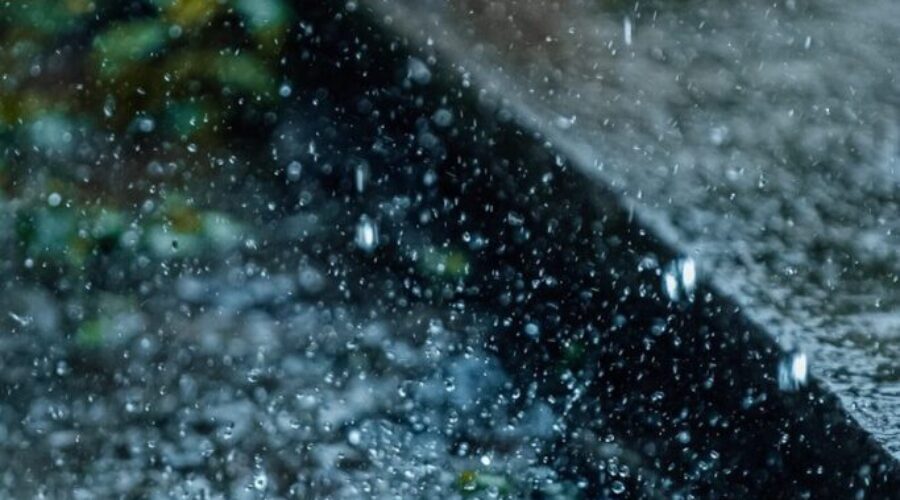
When rain falls, droplets trap tiny air bubbles that carry those compounds upward and release them into the air as a fine mist. Your nose picks it up almost instantly. Humans are extremely sensitive to geosmin, we can detect it at incredibly low levels, which is why that smell feels so strong and familiar.
Scientists believe we may be wired to love it. For much of human history, the smell of rain meant fresh water, growing crops, and survival. So that peaceful feeling you get? It might be ancient instinct.
It’s also why the first rainy day after winter or a long dry spell feels extra refreshing, like the world just hit a reset button.
Nature’s own version of “new car smell.”