


Nova Scotia is now better prepared for an emergency than before the Nova Scotia 2020 mass shooting.
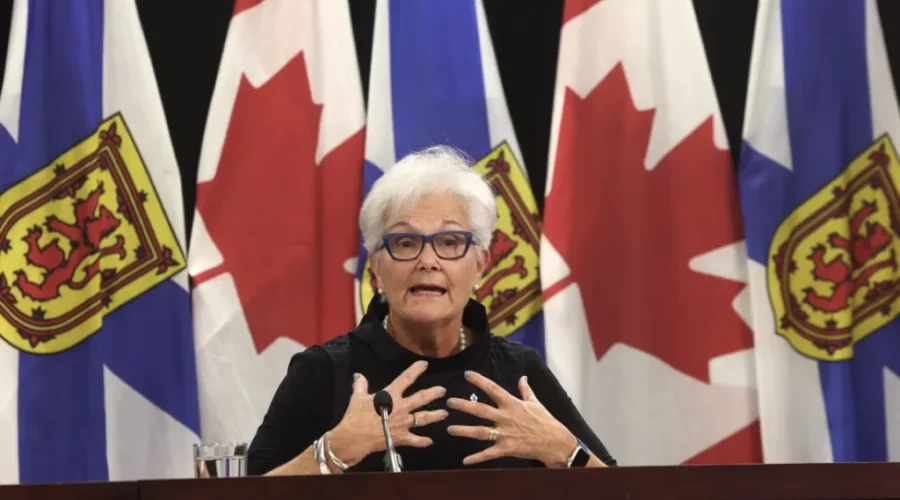
That is according to Myra Freeman, the chair of a committee responsible for monitoring how well police and government are implementing changes from the Mass Casualty Commission report.
Although Freeman says this may be their final report, but there is a lot left to do.
“To the government, I would like to pass along the message, a very important one, that accountability, transparency, building public trust, and building safer communities does not have an expiring date”
It was April 18, 2020, when the shooter began a rampage in Portapique, N.S., and went on to kill 22 people and an unborn child.
In the report, the committee says there has been progress made on 90 recommendations so far.
A lot of the remaining work relies on major societal change, according to Freeman, like intimate partner violence and “other social and economic inequalities.”
When asked if she was satisfied with the progress so far, Freeman said it is hard to use that word, “because if you’re satisfied, nothing more will get done.”
“The framework helped us to reach consensus in many areas. The work was both difficult and rewarding, and we learned many lessons that I believe set a foundation for future oversight bodies in this country.”
We now have emergency alerts that go off on our phones, which did not used to be the case, says Freeman.
“And what I will say is that when Tumbler Ridge tragedy occurred, Nova Scotia was their first call. They looked to the lessons that had taken place to date,” she says.
The shooting in Tumbler Ridge, B.C., in February left eight people dead.
Meanwhile, Nova Scotia Premier Tim Houston says the government accepts the responsibility of carrying this work forward.
He says this report shows a tremendous amount of care, detail and dedication.
He thanked the committee for their work.
“In particular, I want to acknowledge family members of victims – those who served on the committee and those who contributed in other ways. You helped make sure this work is grounded in what truly matters: the lives of your loved ones. Thank you for your involvement, dedication, selflessness and strength.”
NDP leader Claudia Chender says public reporting will be essential as work continues on change.
“Nova Scotians – especially the families, survivors, and communities most deeply affected – deserve to know what progress is being made and where work remains unfinished.”
A lot of the work of the committee involved the federal government, as well. Gary Anandasangaree, Minister of Public Safety, and Sean Fraser, Minister of Justice, also released a joint statement responding to the final report.
They say the committee has provided valuable oversight and prioritized the input from the families of victims.
Some of the federal operations that were changed include gun control, policing, mental health and gender-based violence, they say.
The pair also renewed the federal government’s commitment to continued change.
“While the Committee’s mandate has concluded, our work has not.,” the minister wrote in the statement.